
Game Talk
Q&A: Handling Problematic Players in Games
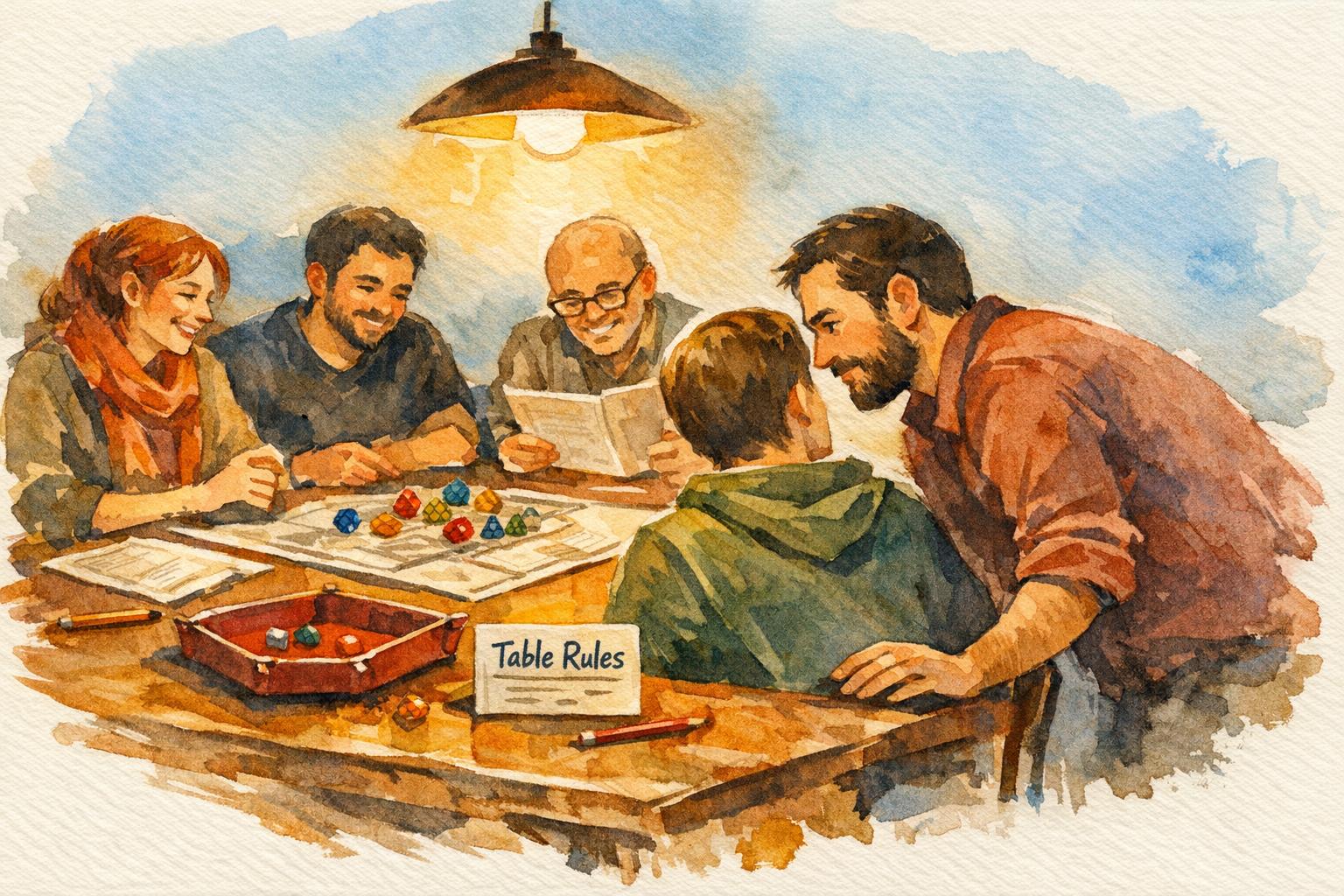
Disruptive players can ruin a game if their behavior isn’t addressed. Here’s how to manage these situations effectively:
- Set expectations early: Use a “Session Zero” to define game tone, player boundaries, and rules.
- Address behavior privately: Use calm, one-on-one conversations to resolve issues without embarrassing anyone.
- Encourage teamwork: Design challenges that involve all players to balance group dynamics.
- Use safety tools: Implement tools like Lines, Veils, and X-Cards to set boundaries and ensure comfort.
- Handle conflicts quickly: Recognize when tensions escalate and act discreetly to prevent further disruption.
The key is maintaining a positive, collaborative environment while addressing issues swiftly and respectfully. If a player consistently disrupts the game despite efforts, prioritizing the group’s well-being may mean asking them to leave.
5-Step Framework for Managing Problematic Players in Tabletop Games
The RIGHT Way to Handle Problem D&D Players
sbb-itb-7b84150
Setting Clear Expectations Before You Play
Avoid unnecessary conflicts by clarifying expectations before the game begins. Many disagreements arise when players enter a game with differing ideas about its tone or direction. The fix? Have an open discussion about these expectations upfront.
Using a Session Zero Approach
A Session Zero is a pre-game meeting where players and the host establish the tone and ground rules for the campaign. As D&D Authority put it:
“Session Zero is where the game’s social contract gets written. Everything else - the dice, the monsters, the character classes, the whole architecture of D&D reachable from the homepage - runs on top of that foundation.”
This session typically focuses on four key areas:
- Tone and themes: Decide on the mood and story direction.
- Content boundaries: Use safety tools to define sensitive topics.
- Character creation: Ensure the party works together harmoniously.
- Logistics: Set details like game length, scheduling, and other practicalities.
To avoid future misunderstandings, document all agreements. A shared Google Doc or a dedicated Discord channel can be great tools to record house rules, scheduling, and policies on character deaths. This way, everyone has a clear reference point.
Once the framework is in place, it’s equally important to spell out acceptable behavior and the tone of the game.
Defining Acceptable Behavior and Tone
Start Session Zero with a clear campaign pitch. This should outline the setting, tone, and boundaries. If needed, use tools like a 1-to-10 scale to gauge preferences - ranging from “serious drama” to “lighthearted chaos.” Additionally, establish Lines (topics that are completely off-limits) and Veils (topics that can be included but only off-screen). These tools have been officially incorporated into D&D materials, starting with the 2020 release of Tasha’s Cauldron of Everything.
Lastly, agree on a “ruling now, discussion later” policy. This means the host makes a quick decision during the game to maintain momentum, while any rule debates are saved for after the session. This approach keeps gameplay smooth and avoids breaking immersion.
Handling Competitive or Disruptive Behaviors
Sometimes, even the most enthusiastic players can throw off the balance of a group when their competitive nature overshadows teamwork. It’s important to tell the difference between in-character drama - which can enhance the story - and out-of-character issues like constant interruptions or endless rule debates that derail the session’s momentum. Let’s look at ways to manage players whose competitiveness or dominant behavior disrupts the flow of the game.
Managing Overly Competitive Players
When competitive players act out, it’s often because they’re bored or not feeling challenged. A great way to channel their energy is to give them specific roles that align with the group’s goals. Author David Jackson suggests assigning responsibilities like Party Mapper or Rules Assistant. As he explains:
“The dividends will be a player who is more interested in the group succeeding, and less interested in being an obstacle”.
Another effective approach is the “Keep Them Busy” method - create tailored sub-plots that engage the competitive player without pulling focus from the group. For example, give them a task or challenge that requires their attention but doesn’t disrupt the overall game. When it comes to rule disputes, stick to a quick-decision policy during gameplay and revisit the details later. This keeps the game moving while maintaining the collaborative spirit established during Session Zero.
Dealing with Spotlight Hogging or Session Derailment
Some players may unintentionally dominate conversations or take the game off track. Addressing this behavior tactfully can make all the difference. Professional Game Master DeAngelo Murillo advises having a private conversation using “I” statements to avoid making the player feel attacked. For example:
“I feel like the group dynamic gets thrown off when we go off-topic too often. Can we try to keep the focus on the game?”.
During the session, you can design encounters that encourage teamwork by requiring input from multiple players. For instance, puzzles or challenges that highlight the skills of quieter players can help balance the dynamic. If a player starts hogging the spotlight in the moment, redirect the focus with neutral phrases like, “Let’s focus on this scene so everyone can stay engaged”. These strategies help maintain group harmony and keep the game aligned with the expectations set at the start.
Resolving Conflicts Quickly and Privately
Setting clear expectations and managing behavior during play can help avoid conflicts, but even with the best preparation, tensions may still arise. When this happens, addressing the situation quickly and discreetly is key to keeping the game enjoyable for everyone.
Recognizing When to Step In
Not every disagreement needs immediate attention. Problems arise when conflicts shift from being in-character (where disagreements are part of the story) to out-of-character, where personal emotions or aggression take over. Look for physical signs like clenched fists, tense jaws, or the “Rooster Stance”, and listen for verbal cues such as raised voices, sudden tone changes, or defiance of group rules.
When players can no longer focus on the game because of rising tension, it’s time to act. Use your group’s agreed-upon signal to call a time-out. If emotions are running high, suggest a short break - 5 to 15 minutes - to let everyone cool off, grab a drink, or step away from the table.
As The Angry GM puts it:
“Disruptive behavior is behavior that impedes the game in some way… Disturbing behavior is behavior that adversely affects others’ enjoyment of or emotional comfort in the game.”
Using Private Conversations for Conflict Resolution
Once the immediate tension is addressed, focus on resolving the conflict privately. Speak with the player one-on-one, away from the group, to avoid embarrassment and maintain a comfortable atmosphere for everyone else.
Stick to objective facts during the conversation. Use “I” statements to express how the behavior impacts the game - like saying, “I feel disrespected when sessions start late”, instead of accusing them with, “You are being disrespectful.” Practice active listening by letting them share their perspective, reflecting their points back to them, and acknowledging their feelings before working toward a solution.
IT Project Manager Ashwin Srinath Sureshkumar emphasizes the importance of neutrality:
“By adopting a neutral position during conflicts, you not only reduce tension but also create a safe space for team members to open up and discuss issues without fear of judgment.”
Often, disruptive behavior may stem from outside stressors like work or personal challenges. In these cases, offering accommodations can help. However, if a player continues to disrupt the game despite repeated efforts to address the issue, the group’s well-being should come first. In such situations, it may be necessary to ask the player to leave.
Using Tools to Improve Table Safety and Comfort
Using tools to set boundaries during tabletop games can make the experience safer and more enjoyable for everyone involved. These tools not only establish clear expectations but also give players a way to voice concerns without feeling awkward or pressured. They help maintain a positive environment both before and during gameplay.
Implementing Safety Tools Like Lines & Veils
Lines and Veils are popular tools for setting boundaries in tabletop gaming. Lines are firm limits - topics or themes that are entirely off-limits in the game. Veils, on the other hand, allow certain content to exist in the story but keep it off-screen, often represented by a fade-to-black moment. These concepts were formalized by Ron Edwards in the 2003 Sex & Sorcery supplement for the Sorcerer RPG.
These boundaries are typically discussed during Session Zero, where players and the Game Master (GM) align on expectations. To make things even clearer, you can use familiar movie-style ratings like G, PG-13, or R to set the tone for the game.
For situations that arise mid-session, the X-Card is a helpful tool. Created by John Stavropoulos in 2012, the X-Card allows any player to signal that something needs to stop or change immediately. As the Tabletop RPG Authority explains:
“The X-Card removes the social cost of speaking up”.
Other tools like Script Change use media-inspired commands - such as Rewind, Fast Forward, Pause, or Frame by Frame - to adjust scenes as needed. An Open Door Policy also ensures that players can leave the game at any time without facing criticism or penalty.
The Role of Regular Group Check-Ins
While safety tools create a solid foundation, regular group check-ins are essential for addressing any discomfort that may develop over time. These check-ins complement in-game tools and help maintain a comfortable atmosphere. One effective method is Stars and Wishes, a post-session debrief where players share one thing they enjoyed (a “star”) and one thing they’d like to see in future sessions (a “wish”). This simple exercise can identify and address growing discomfort before it becomes a bigger issue.
As Tabletop RPG Authority highlights:
“Stars and Wishes… catches slow-building discomfort before it becomes a problem”.
Similarly, the Role-players Guild of Kansas City emphasizes the importance of debriefing:
“Debriefing… avoids the buildup of negative emotions between sessions and player misunderstandings”.
These check-ins also help distinguish between productive discomfort, which adds dramatic tension like fear or grief to the story, and harmful discomfort, which stems from personal trauma or content that crosses established boundaries. Striking this balance allows the narrative to remain engaging without causing distress.
Lastly, it’s important to remember that safety tools aren’t just for players. Game Masters have their own boundaries, too, and these deserve respect. As the Role-players Guild of Kansas City points out:
“Safety tools cannot work if players do not implement them”.
Conclusion: Building a Better Gaming Environment
Dealing with disruptive players isn’t just about enforcement - it’s about fostering a space where everyone can enjoy and grow. The best strategies blend preparation, clear communication, and practical tools to address issues before they spiral out of control.
A proactive approach starts with Session Zero, where expectations and the tone of the game are set. If conflicts arise, the SBIR method offers a structured way to address them: describe the Situation, identify the Behavior, explain its Impact, and make a Request for change. This method keeps conversations focused on solutions rather than emotions.
Dr. Sanne Brouwer, an expert in education and tech integration, highlights the importance of encouraging positive behavior:
“The core principles of PBIS fit perfectly with modern gaming environments. Platforms… show that positive behavior can also be stimulated digitally – with clear expectations, rewards and community involvement”.
Recognizing and rewarding players who display sportsmanship and contribute positively can help reinforce a healthy group dynamic.
However, if a player continues to disrupt the group despite these efforts, prioritizing the well-being of the group might mean asking them to leave. Upholding the group’s harmony and the agreed-upon gaming social contract is essential.
FAQs
What should I do if a player ignores Session Zero agreements?
Addressing the issue respectfully and directly after the session is essential. Take a moment to talk with the player about the importance of adhering to the agreements everyone made during Session Zero. Clearly outline the expectations for future sessions and discuss any potential consequences if the behavior continues. Prioritizing open and honest communication is crucial for resolving the matter while keeping the group’s dynamic positive and collaborative.
How can I use the X-Card without breaking the game’s flow?
To make the X-Card an effortless part of your session, introduce it right at the beginning. Explain its purpose clearly: it allows anyone to tap or lift the card if something makes them uncomfortable. When this happens, the game pauses briefly so adjustments can be made or content can be skipped. Encourage players to use the card with ease and confidence, ensuring it blends seamlessly into the flow of gameplay while addressing concerns promptly and respectfully.
When is it appropriate to ask a player to leave the group?
When a player’s behavior leads to major disruptions - like repeated conflicts, crossing boundaries, or actions that spoil the experience for others - it may be time to ask them to leave. However, this should be a last resort, taken only after sincere efforts to address and resolve the problems have been made. The well-being and enjoyment of the group should always come first in these situations.