
Game Talk
How to Handle Overly Competitive Players
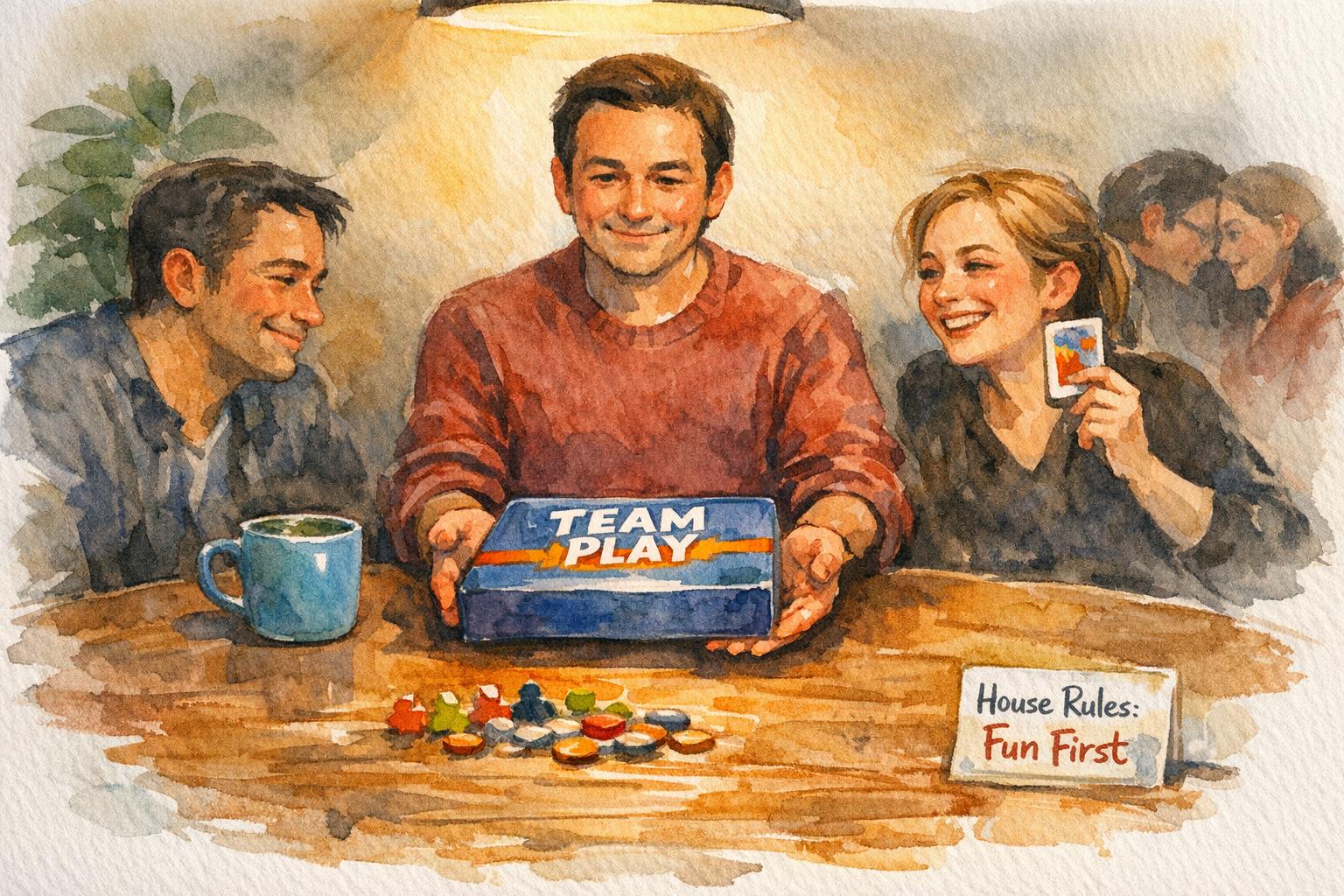
Game nights should be fun, but overly competitive players can ruin the vibe. Here’s how to manage them effectively:
- Set Expectations Early: Discuss rules, game length, and the desired atmosphere before starting. A “Session Zero” can help align everyone.
- Focus on Fun: Emphasize the social benefits of board games and video games. Start with lighthearted, low-stakes options to set a relaxed tone.
- Use Humor to Diffuse Tension: A well-timed joke can ease stress and redirect intense energy.
- Encourage Positive Behavior: Highlight good sportsmanship and celebrate clever moves or teamwork.
- Choose the Right Games: Cooperative or humor-driven games reduce friction and shift focus from individual wins to group enjoyment.
- Address Issues Privately: If problems persist, talk to the player one-on-one to avoid embarrassing them in front of others.
- Take Breaks or End Early: If tension escalates, pause the game or wrap it up gracefully to maintain a positive group dynamic.
The goal isn’t just to win - it’s to create an enjoyable experience for everyone. By balancing competition with connection, you can ensure game night stays fun and welcoming.
7 Steps to Manage Overly Competitive Players at Game Night
How to play board games to win and still have fun!
sbb-itb-7b84150
Setting Expectations Before the Game
Creating a fun and relaxed game night starts with setting the right expectations. Many groups use a “Session Zero” - a pre-game meetup where everyone gets on the same page about logistics like start times, game length, and how competitive the vibe should be. This simple step can go a long way in ensuring smooth gameplay and avoiding misunderstandings.
Communicating Rules and Etiquette
Before diving into the game, take a moment to explain the basics. Cover the game’s objective and key mechanics, but save less common scenarios for when they naturally come up during play. If the game is more complex, you might send out a “how to play” video ahead of time so everyone starts with a solid foundation.
When disputes arise, adopt a “ruling in the moment” approach. This means the host makes a quick decision to keep the game moving rather than letting arguments derail the fun. As one tabletop RPG expert puts it, “The etiquette principle: timing matters more than being right.” Also, encourage players to stay present - limit phone use and ask that everyone engage fully with the game. A little preparation and focus can make the experience more enjoyable for the whole group.
Emphasizing the Social Aspect of the Game
While rules are important, the real magic of game night lies in the social connections. Winning is great, but it’s the shared laughs and memorable moments that stick with people. As the team at Mindgle Games wisely says, “No one remembers who won. What they remember are moments.” By focusing on the fun and camaraderie, you can help competitive players see the bigger picture.
To set the tone, start with a lighthearted, low-stakes party game. This helps everyone relax and bond before moving on to more competitive options. Remind your group that the games are really just a way to spend quality time together. When everyone leaves with a smile, that’s the real victory.
Managing Competitive Behavior During Gameplay
Setting expectations is just the first step. Once the game begins, managing tensions as they arise is essential to keeping things fun and enjoyable for everyone. Even with ground rules in place, competitive energy can sometimes take over. Handling these moments quickly and effectively helps maintain the social spirit of the game.
Using Light Humor to Reduce Tension
When competition gets intense, players can feel physical stress that makes it hard to stay calm. A little humor can go a long way in easing the mood and preventing impulsive reactions from escalating into bigger issues.
For instance, if someone is getting overly intense, you might say, “Whoa, save that fire for the championship!” This kind of remark acknowledges their energy but steers it away from aggression. Competitive gaming often triggers the body’s stress response, so humor can act as a reset button, bringing the group back to a relaxed and social mindset. A lighthearted approach like this can encourage everyone to stay engaged in a positive way.
Encouraging Good Sportsmanship
Tabletop games thrive on shared enjoyment. Instead of pointing out bad behavior, focus on highlighting the good. If a player congratulates someone on a clever move or laughs off a setback, you could say, “That’s what I love to see - everyone having a good time!” This kind of encouragement reinforces positive behavior and keeps the atmosphere friendly.
As the Game Master or host, you play a crucial role as a social moderator. By subtly guiding the tone of the group, you can help redirect overly competitive tendencies toward a more cooperative and enjoyable dynamic. However, sometimes encouragement alone isn’t enough, and you’ll need to take a more active role.
Knowing When to Step In
It’s important to distinguish between in-game drama, which is part of the story, and real-world tension that can harm the group dynamic. A red flag is when players start dreading game night because of disruptive behavior.
If a problem arises, address it privately. A quick check-in like, “Hey, things seemed a bit tense earlier - everything okay?” can help reset the mood. Offering a gentle suggestion, such as, “How about we try…?” gives players the chance to adjust without feeling called out.
As The Angry GM wisely points out:
If you win by making everyone on your team miserable, you’re going to win the game and lose the team.
The ultimate goal is to remind everyone that the group’s collective enjoyment matters far more than any single victory.
Choosing Games That Balance Competition
When dealing with overly competitive players, selecting the right games can make all the difference. Games that emphasize shared enjoyment over individual victories can naturally steer the group toward collective fun. Below, you’ll find ideas for games that encourage cooperation and humor, helping to ease competitive tension.
Cooperative or Team-Based Games
Cooperative games shift the focus from “me versus you” to “us versus the challenge.” By uniting players to work together, these games remove the zero-sum mindset where one person’s win equals another’s loss. As writer Noah Bisceglia aptly puts it:
The goal of board games is a good experience across time, not winning this game.
In these games, players often take on unique roles or abilities, ensuring everyone contributes meaningfully. This setup prevents any single player from dominating the experience. Unlike online games where toxic behavior can be brushed off by finding new opponents, tabletop games require maintaining real-world relationships. Players who consistently display hypercompetitive behavior risk alienating themselves from the group.
Humor-Driven and Lighthearted Games
Games that lean into humor or a playful tone can also help diffuse competitive energy. When the game itself doesn’t take winning too seriously, players are more likely to relax and focus on having fun. Titles like MINIFINITI’s Red Tape, which mixes strategy with comedy, create a lighthearted atmosphere. These games remind everyone that the goal is to laugh together rather than prove superiority.
As Alfie Kohn observes:
By setting up a scenario where everyone is rooting for everyone else, cooperative games teach… the deep satisfaction of doing things with, rather than against, other people.
Whether you’re working as a team or sharing a laugh, the competitive edge fades, leaving room for a more enjoyable and inclusive experience.
Dealing with Escalations: When to Take a Break or End the Game
Recognizing When the Group Needs a Break
If the game starts to feel more like a debate club than a fun activity, it might be time to hit pause. A clear sign that a break is needed is when arguments about rules or personal drama take over the session. When disputes escalate beyond playful banter into genuine frustration, it’s time to step in.
Keep an eye out for when things shift from lighthearted competition to actual hostility. If players seem genuinely upset, rather than just caught up in the heat of the moment, that’s a red flag. Luke Hart, Founder of The DM Lair, highlights the impact of unresolved tension:
Do you know how good a game I run when I’m annoyed or angry – yeah, not very good. That means that not only did everyone suffer having to listen to us argue but EVERYONE suffered afterwards because in my subsequent state of mind I just wasn’t running a good game.
When you notice these signs, suggest taking a break. Use this time to address any underlying issues privately and reset the tone of the game. A quick pause can often save the session and bring the focus back to having fun.
Ending the Game on a Positive Note
Sometimes, the best way to handle escalating tension is to wrap up the game early. Ending a session when things get too heated can help preserve the group’s overall enjoyment. The trick is to do it gracefully - highlight the fun moments and avoid dwelling on the negatives. This approach helps everyone leave with good memories and a sense of closure.
If there are ongoing issues, it’s better to address them outside the game, whether through a private conversation, text, or email. Confronting someone in the middle of a session can disrupt the group dynamic and sour the experience for everyone. As one piece of advice puts it:
Handling a problematic player requires tact: making demands in front of the rest of the group is rarely the best way to resolve the problem.
Conclusion: Creating a Fun, Welcoming Gaming Environment
Key Takeaways for Handling Competitive Players
Dealing with overly competitive players starts with recognizing that tabletop games are built on a foundation of social interaction. When a player’s constant interruptions or dismissive attitude disrupt this balance, the fun quickly evaporates. The remedy? Set clear expectations, use humor to diffuse tension, make quick rulings, and pick games that match the group’s energy.
Ultimately, the best game nights aren’t about who wins or loses - they’re about the shared experience. As Infinity Games puts it:
“The best game nights aren’t about the games. They’re about creating space for genuine connection. Putting phones away. Looking at each other. Laughing together. Experiencing something shared.”
By embracing this mindset, you can take an active role in shaping a gaming environment that prioritizes connection and enjoyment.
Building Positive Group Experiences
As a host, your role goes beyond explaining rules - you’re also the group’s social guide, ensuring everyone feels included and the atmosphere stays light and engaging. Setting expectations early and using humor can help you identify and address any imbalances in participation. For example, keep an eye out for moments when competitive behavior overshadows quieter players. Keeping your group size between 4–6 people can also make it easier for everyone to feel involved.
While most groups can handle the occasional competitive outburst or heated moment, communication breakdowns can be harder to recover from. Address concerns directly (and privately), use safety tools when necessary, and remember: if a solution requires someone to tolerate bad behavior, it’s not a real solution. By focusing on connection over competition, you can create a space where every player feels valued and has fun.
FAQs
What do I say to set the tone before game night?
Creating the right atmosphere starts with enthusiasm and clarity. A simple statement like, “I’m so excited for tonight! Let’s make it all about having fun, respecting each other, and enjoying the games together,” can set the tone perfectly. By welcoming everyone warmly and laying out clear expectations, you create a space where everyone feels included and ready to dive into the fun.
How do I talk to a too-competitive player without drama?
To handle an overly competitive player without stirring up drama, keep your cool and aim to foster a positive gaming atmosphere. Have a private and respectful conversation, explaining how their behavior impacts the group dynamic. Gently encourage them to focus on the fun and camaraderie of the game rather than just winning. Emphasize that the game is about shared enjoyment, which can help channel their competitive spirit in a more constructive direction.
What games work best with highly competitive friends?
Games that bring strategy, rivalry, and lively interactions to the table are perfect for competitive friends. If you’re looking for something with a humorous twist, Red Tape delivers clever political satire in game form. For those who enjoy bluffing and mock standoffs, Cash ‘n Guns (ideal for 4–8 players) adds a playful edge to the competition.
Prefer chaotic card games? Killer Bunnies and Exploding Kittens (both accommodating 2–8 players) offer fast-paced, unpredictable fun that keeps everyone on their toes. And for a more focused, head-to-head challenge, strategy-heavy games designed for two players are an excellent choice.