
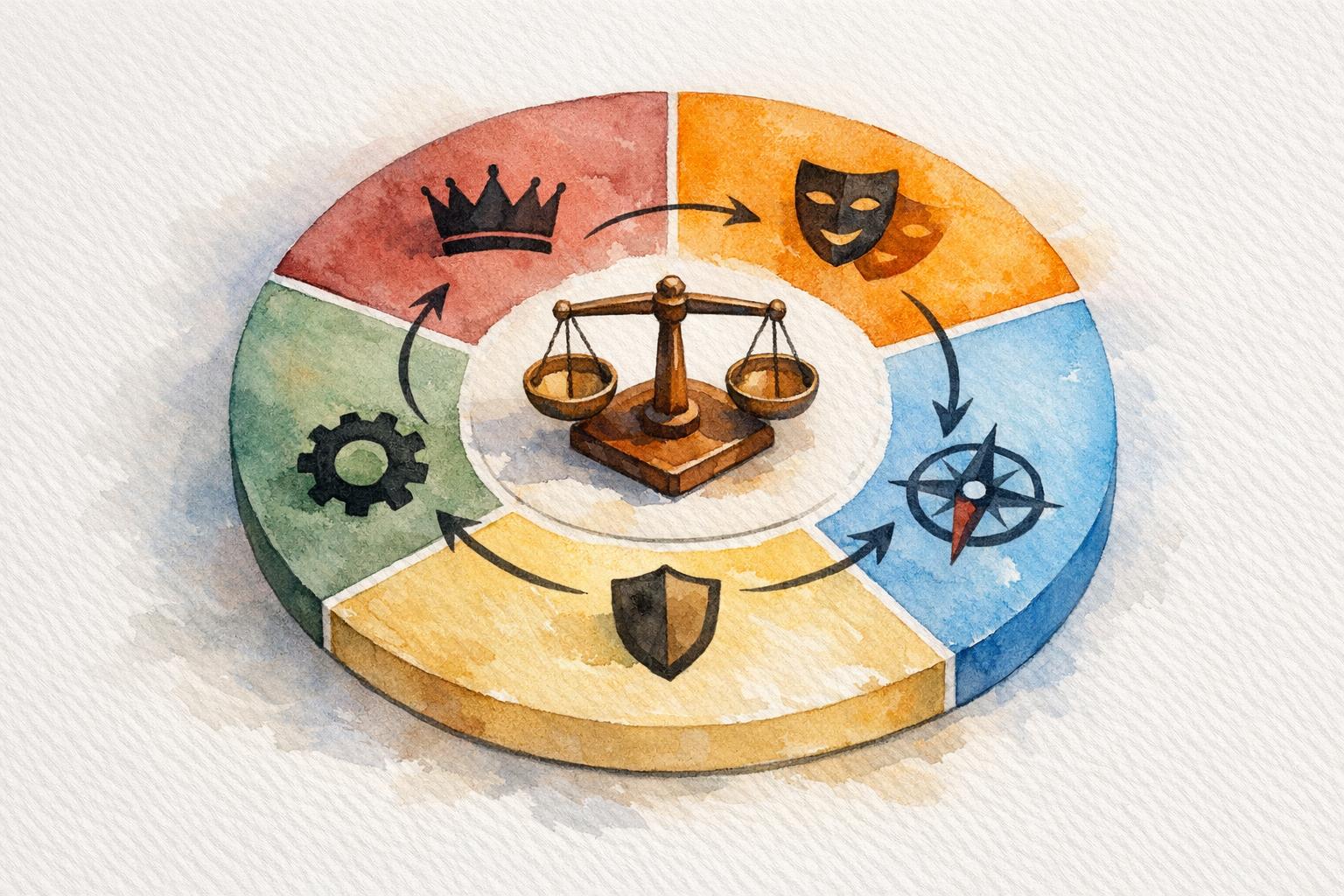
How Asymmetric Roles Work in Games
How asymmetric roles give players unique abilities, shape interactions, boost replayability, and demand careful balancing and playtesting.
Read article →Game Talk
Notes on tabletop game design, hosting better game nights, and what's happening in the world of board games.
How asymmetric roles give players unique abilities, shape interactions, boost replayability, and demand careful balancing and playtesting.
Read article →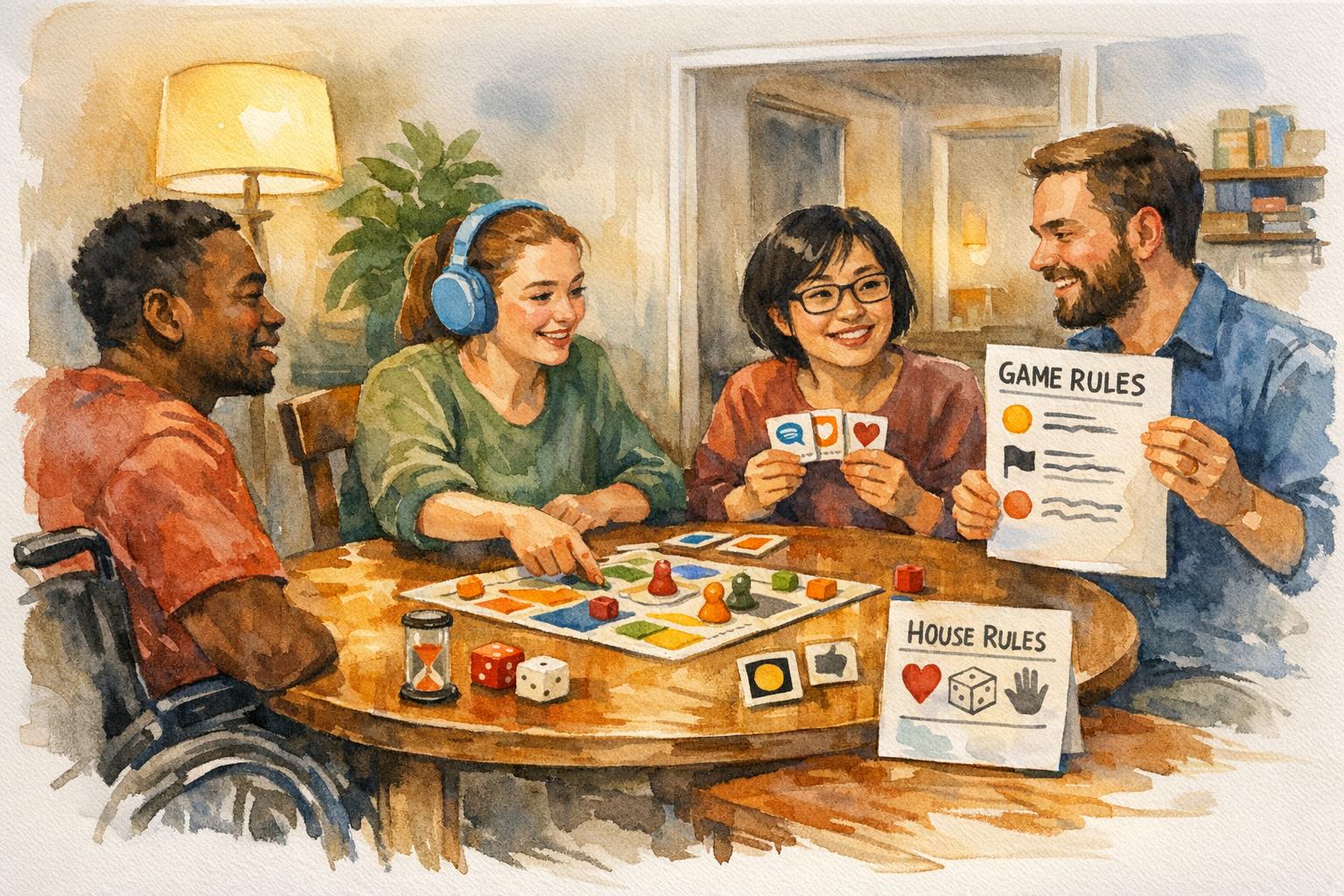
Plan accessible, low-stress game nights: pick inclusive games, prepare wheelchair- and sensory-friendly spaces, share rules and accommodations.
Read article →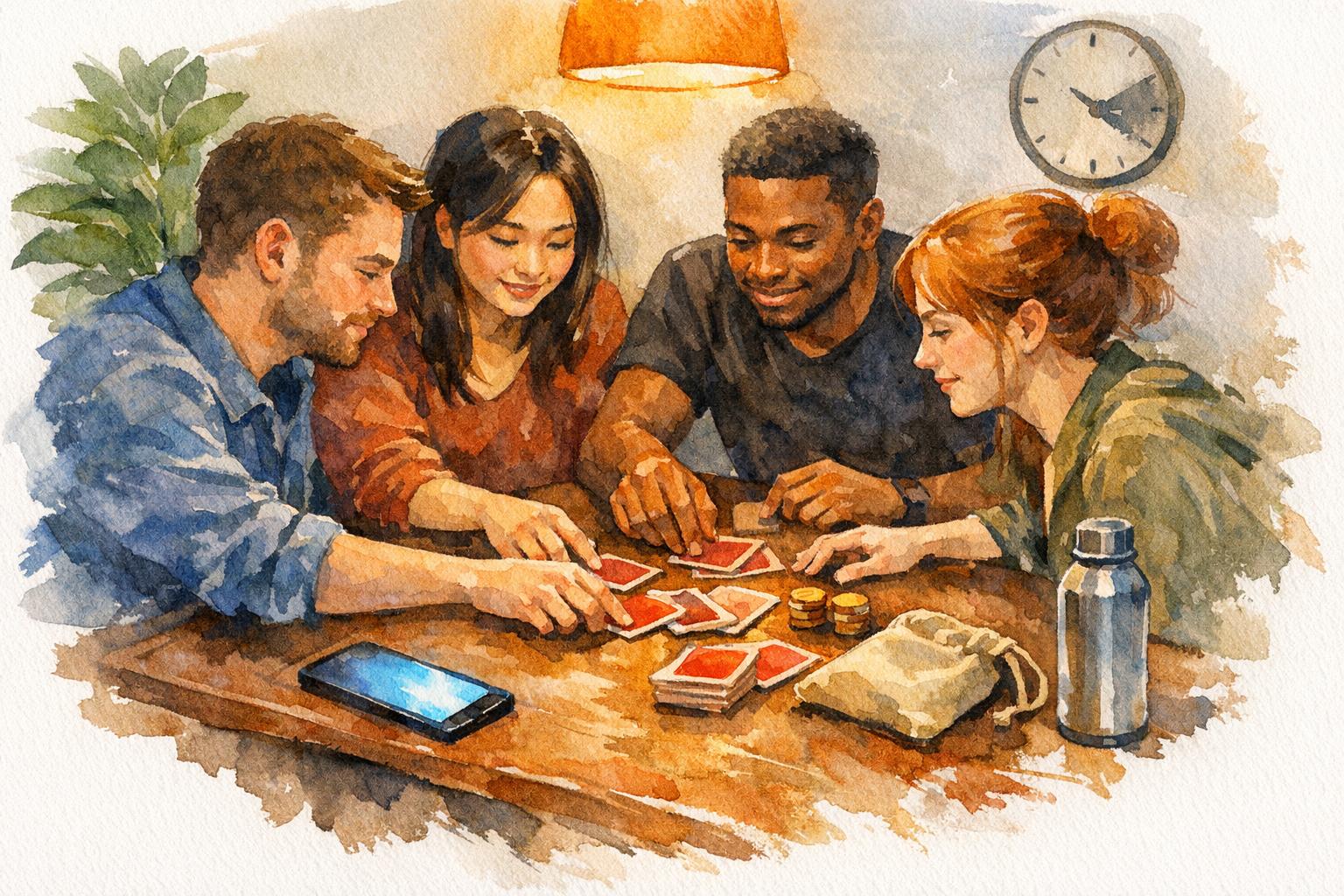
Millennials and Gen Z are transforming tabletop gaming with social-first design, hybrid digital tools, shorter sessions, inclusivity, and eco-conscious materials.
Read article →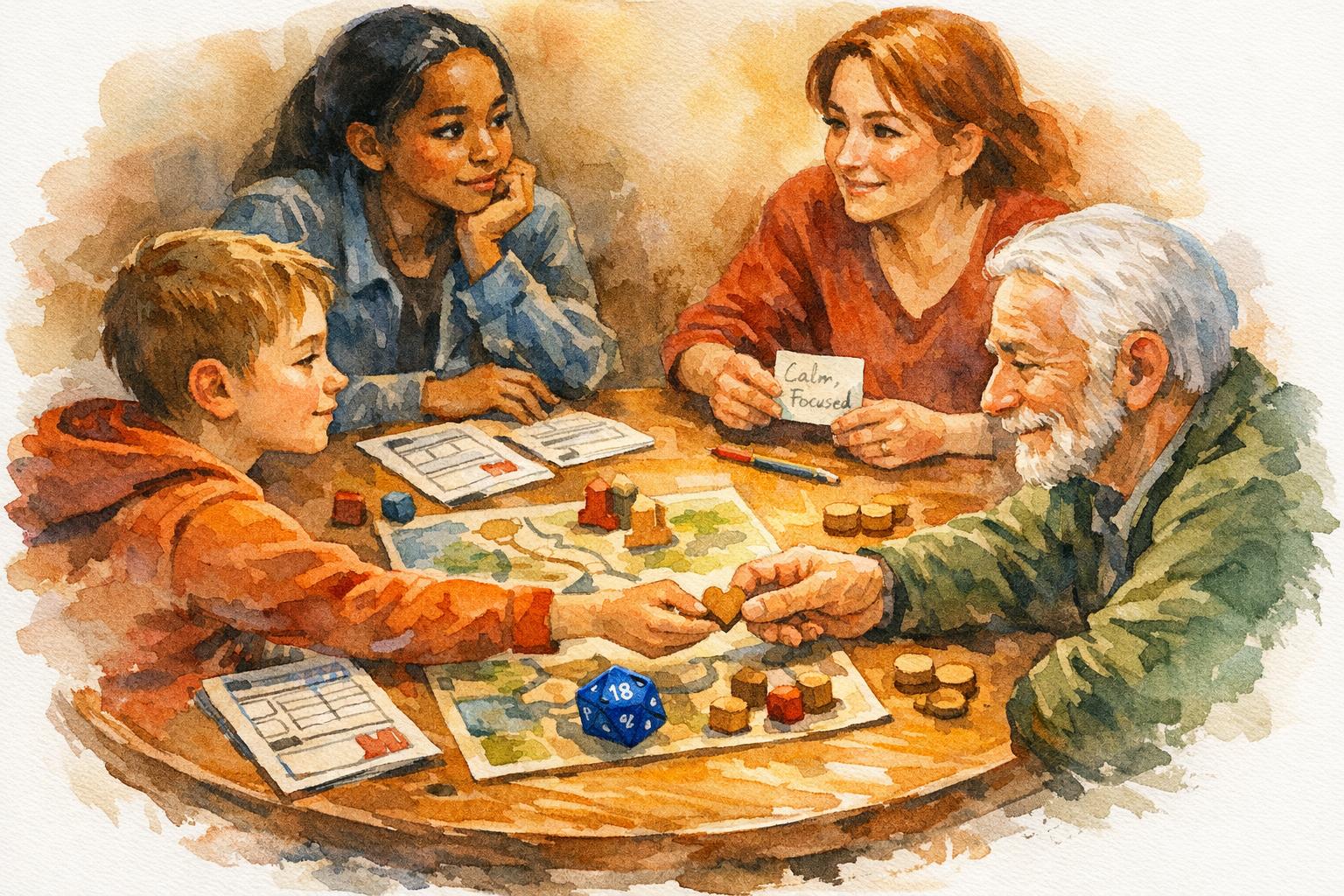
Learn how tabletop and role-playing games develop SEL skills—empathy, teamwork, emotional regulation—and find game picks and facilitation tips for all ages.
Read article →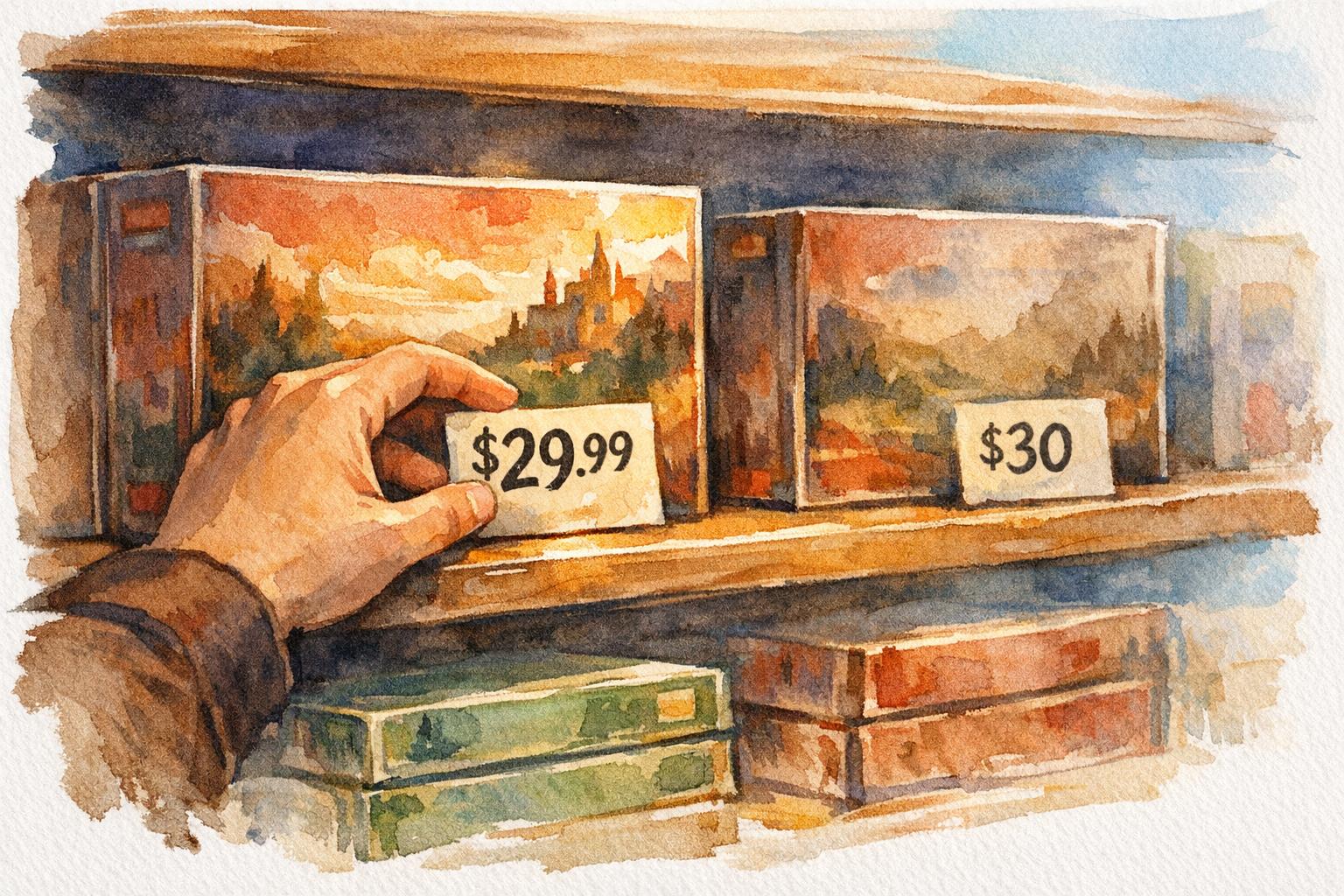
Why $29.99 often outsells $30 for tabletop games—how the left‑digit effect, studies, and pricing tests influence buyer choices.
Read article →
Compare 10 thematic board games by age range, playtime, complexity and audience — from kid-friendly family picks to deep strategy titles.
Read article →