
Game Talk
Xiangqi Origins: From Chu-Han to Today
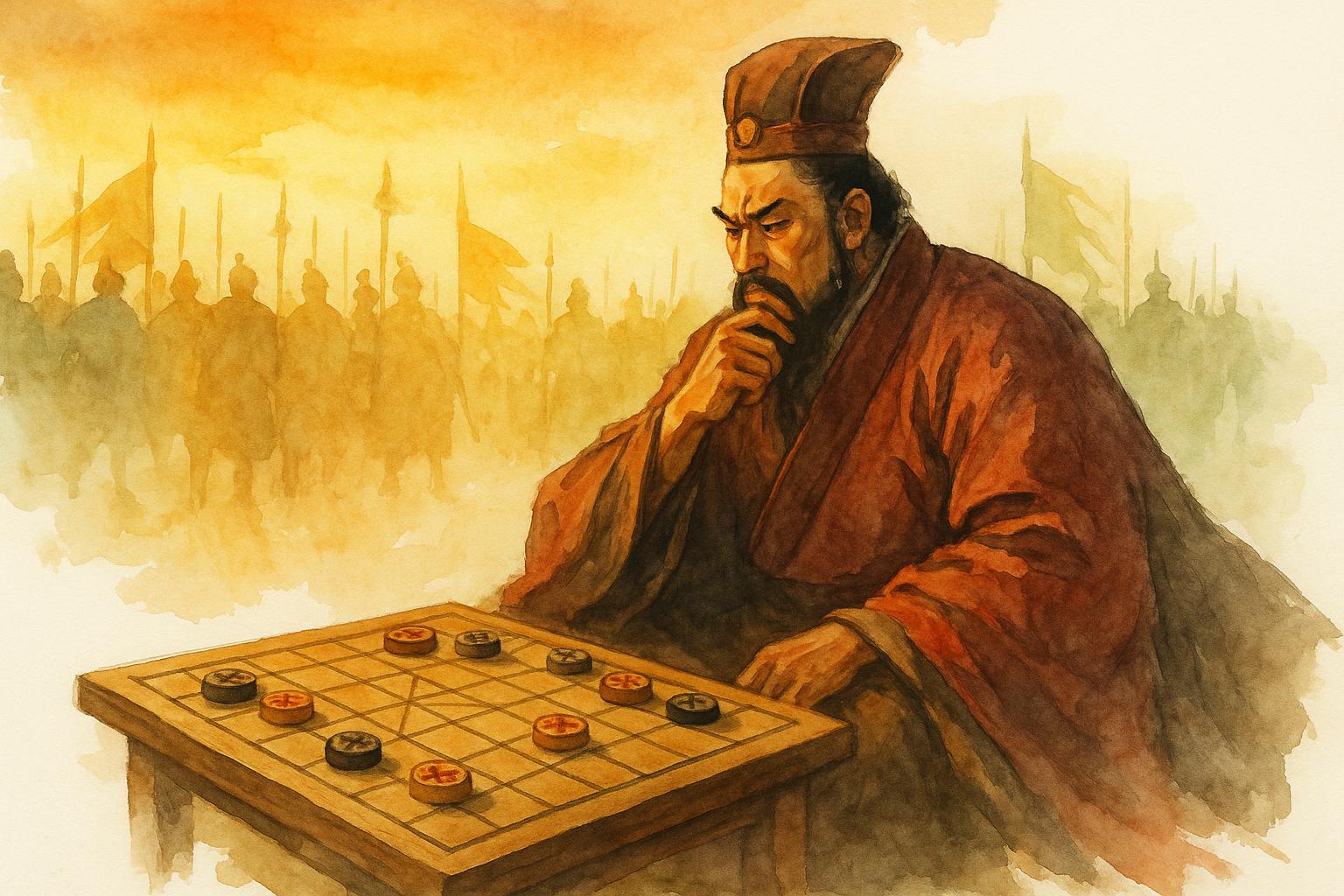
Xiangqi, known as Chinese Chess, is a game deeply rooted in history, tracing its origins to the Chu-Han Contention (206–202 BCE). It has evolved over 2,000 years from a military training tool into one of China’s most enduring and popular games, played by millions globally. The board’s “Chu River–Han Border” and the pieces, such as the General and Cannon, reflect ancient military strategies and philosophies.
Key milestones include:
- Tang Dynasty: Early forms emerged, engaging scholars.
- Song Dynasty: Rules and pieces like the Cannon were developed.
- Ming and Qing Dynasties: Standardization and widespread play.
Today, Xiangqi thrives in tournaments across 30+ countries and online platforms, bridging history and modern gaming. Its design and gameplay continue to inspire both traditional and modern tabletop games.
50 SUBSCRIBER SPECIAL | Lore of Xiang Qi EXPLAINED
Historical Origins: From Chu-Han Contention to Early Forms
The story of Xiangqi stretches back over two thousand years, deeply rooted in ancient Chinese military strategy and one of the nation’s most defining historical conflicts.
The Chu-Han Contention (206–202 BCE)
The Chu-Han Contention was a four-year civil war between Liu Bang - who would later become the first emperor of the Han dynasty - and Xiang Yu, the powerful Hegemon-King of Chu. This monumental struggle not only reshaped China’s political landscape but also inspired strategic concepts that later influenced Xiangqi. A striking example is the Honggou Canal in Xingyang, a historic waterway that symbolized the division between Chu and Han forces. This division is mirrored on the Xiangqi board by the “Chu River–Han Border”, a symbolic boundary that reflects the standoff between the two factions.
Legends credit figures like Zhang Liang and General Han Xin with using chess-like games to strategize for battle, though these accounts remain debated. Regardless of their historical accuracy, such stories highlight Xiangqi’s origins as a tool for simulating the complexities of warfare and refining tactical thinking.
This pivotal conflict laid the groundwork for the development of strategy games that would shape military thought and training.
Military Strategy Games as Early Influences
Even before the Chu-Han Contention, strategy games were an integral part of Chinese military culture. During the Warring States Period (475–221 BCE), these games were used to mimic battlefield scenarios and train soldiers. Early versions combined elements of chance, such as dice, with strategic planning, relying on simple pieces to represent troops. Some ancient texts even reference games called “xiangqi.”
As military leaders sought ways to safely test strategies and experiment with troop formations, these games became more refined. The influence of classic military works, like Sun Tzu’s The Art of War, is evident in their design, with a strong focus on terrain, coordinated movements, and the interplay between attack and defense. Over time, these training tools evolved into the structured and strategic game we now recognize as Xiangqi, blending entertainment with serious tactical insight.
Development of Xiangqi Through Chinese Dynasties
Xiangqi, originally designed as a battlefield simulation, gradually evolved into the intricate strategy game we know today. As dynasties rose and fell, the game adapted, with each era leaving its mark on the rules, pieces, and its place in society.
Tang and Song Dynasties: Foundations of the Modern Game
The Tang Dynasty (618–907 CE) marked a turning point for Xiangqi, as it began to take on a recognizable form. Literary works like Niu Sengru’s Xuanguai lu suggest that scholars and officials were already engaging with the game during this time.
In the Song Dynasty (960–1279 CE), Xiangqi underwent significant development. The cannon (pao) piece was introduced, adding a dynamic element to gameplay with its unique ability to capture by leaping over another piece. Key rules also emerged, such as confining generals to their respective palace areas and prohibiting them from facing each other directly. Archaeological discoveries from this period include intricately carved bronze game pieces, confirming that all the essential elements of modern Xiangqi were in place. The board itself evolved, incorporating palace zones that helped structure gameplay and strategy.
These advancements laid the groundwork for Xiangqi’s enduring appeal and its integration into broader societal norms.
Ming and Qing Dynasties: Expansion and Standardization
The Ming Dynasty (1368–1644) marked a shift in Xiangqi’s audience. Once primarily enjoyed by the elite, the game became a popular pastime across all social classes, including the imperial court. This growing interest spurred the creation of strategy manuals, which formalized rules and introduced advanced tactics.
By the Qing Dynasty (1644–1912), Xiangqi had become deeply embedded in social life. The era saw the rise of competitive clubs and the publication of strategy books, fostering a scholarly approach to the game. By the end of the Qing period, the game had reached its modern form, with standardized board layouts, piece movements, and special rules fully codified.
Dynasty
Key Developments
Board/Pieces Changes
Tang (618–907)
Recognized by scholars and officials
Early, non-standardized forms
Song (960–1279)
Introduction of the cannon (pao); foundational rules established
Standardized layout with palace zones
Ming (1368–1644)
Widespread appeal and the publication of manuals
Refinement of techniques and rules
Qing (1644–1912)
Rise of competitive clubs and strategy books
Fully standardized board and piece movements
Through centuries of refinement, Xiangqi transformed into more than just a game. It became a lasting cultural treasure, reflecting the ingenuity and traditions of the dynasties that shaped it.
sbb-itb-7b84150
The Xiangqi Board and Pieces: Design and Symbolism
The Xiangqi board and its pieces bring to life ancient military strategies and the legendary Chu-Han conflict. Every detail - from the grid layout to the way each piece moves - carries historical significance, drawing from over two millennia of Chinese history. These elements not only reflect the battlefields of the past but also shape how the game evolved through the ages.
The Board: Chu River–Han Border and Palaces
The Xiangqi board is a 10×9 grid, formed by 10 horizontal and 9 vertical lines. This layout mirrors the tactical divisions of ancient battlefields. At the heart of the board lies the “Chu River–Han Border” (楚河汉界), a symbolic nod to the Honggou, a roughly 980-foot-wide boundary that separated the forces of Xiang Yu and Liu Bang during the Chu-Han Contention (206–202 BCE). Even today, the ruins of Hanwang City (built by Liu Bang) and Bawang City (built by Xiang Yu) can still be seen on Guangwu Mountain in Xingyang, standing as historic reminders on opposite sides of this divide.
The river serves more than just a symbolic role - it impacts gameplay. Pawns, for example, can only move forward until they cross the river, after which they gain the ability to move sideways. This reflects the tactical advantage troops gained after breaking through enemy defenses. On either side of the board, a 3×3 grid represents the palace, the command center where generals operated. These areas evoke the fortified headquarters of Liu Bang and Xiang Yu, emphasizing the importance of strategy and protection in ancient warfare.
The Pieces: Roles and Meanings
The game’s pieces each represent key roles in military strategy, as seen in Song Dynasty bronze sets unearthed in Kaifeng:
- The General: The most crucial piece, the General symbolizes the commander-in-chief. Restricted to the palace, the goal of the game is to capture the opponent’s General, just as defeating a leader could determine the outcome of a battle.
- Advisors: Often depicted as armored figures in Song Dynasty sets, Advisors represent trusted counselors tasked with protecting the General within the palace.
- Elephants: Originally depicted as actual elephants, these pieces symbolize the defensive units stationed close to the commander.
- Chariots: These pieces resemble siege vehicles used to transport supplies or attack fortifications. Their ability to move in straight lines reflects their strength and mobility on the battlefield.
- Horses: Representing cavalry, their L-shaped movement is hindered by nearby pieces, mimicking the challenges faced by mounted units navigating tight formations.
- Cannons: Emerging in Song Dynasty sets as rock-slinging machines, Cannons have a unique capturing method - jumping over another piece to strike. This reflects the indirect fire techniques of ancient siege weapons.
- Pawns: Depicted with spears, Pawns symbolize infantry soldiers. Initially limited to forward movement, they gain more flexibility once they cross the river, echoing the increased options available to troops advancing into enemy territory.
Each piece is more than just a game token - it embodies the strategic and symbolic aspects of ancient warfare. Archaeological finds from Kaifeng highlight how these designs were intentionally crafted to reflect the roles and challenges of military units in battle. Through its intricate design and gameplay, Xiangqi serves as both a strategy game and a tribute to the Chu-Han Contention, blending history with the art of competition.
Xiangqi in Modern Gaming Culture
Xiangqi, also known as Chinese chess, has its roots in ancient military strategy and continues to thrive worldwide by blending historical tradition with modern gameplay. Its lasting charm lies in its rich history paired with timeless strategic depth.
Global Reach and Tournaments
The World Xiangqi Federation (WXF), established in 1993, has been a key player in expanding the game’s international footprint, now boasting over 30 member countries. In 2023, the World Xiangqi Championship in Malaysia attracted over 200 competitors from 30 nations. The Chinese team and Nguyễn Hoàng Lâm emerged victorious, showcasing the game’s global appeal. These biennial championships, alongside the Asian Xiangqi Championship, provide a structured path for competitive players.
Beyond China, Xiangqi has inspired regional adaptations. In Vietnam, the game is known as Cờ tướng, which closely mirrors traditional Xiangqi but features unique piece designs and terminology. National tournaments in Vietnam draw thousands of participants and spectators, highlighting its local popularity. In Korea, the game evolved into Janggi, played on a larger board with modified rules, such as the cannon’s ability to jump over any piece. The Korean Janggi Association organizes regular tournaments and even broadcasts matches on national television, further cementing its place in Korean gaming culture.
Cultural events also play a significant role in promoting Xiangqi. For example, the Confucius Institute in New York hosts annual Xiangqi tournaments that attract both Chinese expatriates and local enthusiasts. These events celebrate Chinese heritage while fostering connections across cultures.
The digital age has brought Xiangqi into the online realm, with platforms offering real-time gameplay, tutorials, and virtual tournaments. The COVID-19 pandemic accelerated this shift, drawing millions of players to online platforms annually. These digital spaces complement the over 100,000 participants in official tournaments each year, further solidifying Xiangqi’s place in modern gaming.
Xiangqi and Modern Tabletop Gaming
Modern tabletop designers often draw inspiration from Xiangqi’s strategic complexity to create engaging new games. For instance, MINIFINITI, a contemporary game design company, combines classic elements with modern twists. Their game “Red Tape” uses humor and strategic gameplay to foster social interaction, echoing Xiangqi’s emphasis on tactical thinking.
MINIFINITI’s weekly game nights highlight how traditional games like Xiangqi can coexist with modern designs. These gatherings encourage creativity and community, offering spaces where players explore both time-honored classics and innovative titles. This approach not only preserves gaming traditions but also makes them more accessible to younger generations.
Xiangqi’s influence on modern tabletop games is evident in several ways. Many contemporary strategy games incorporate asymmetric piece abilities and territorial control mechanics, elements that reflect Xiangqi’s tactical depth. Hybrid events that blend Xiangqi with other strategic games are becoming increasingly popular, while online communities like BoardGameGeek feature active discussions and reviews of Xiangqi-inspired designs.
David H. Li, a prominent historian of Chinese board games, captures the essence of Xiangqi’s cultural significance: “Xiangqi is not just a game; it’s a living tradition that connects generations and cultures.”
Xiangqi’s enduring presence in Chinese parks - where matches often draw large, engaged crowds - has inspired modern gaming companies to create similar social experiences. These public games serve as community hubs, reinforcing the game’s role as both a pastime and a cultural touchstone.
As Xiangqi gains recognition as part of China’s intangible cultural heritage, it continues to foster international exchanges and educational programs. This interplay between ancient strategy and modern innovation creates a dynamic ecosystem, ensuring that the lessons of the Chu-Han Contention remain relevant for generations of gamers to come.
Conclusion: The Lasting Impact of Xiangqi
Xiangqi is a powerful reminder of how ancient strategy games can stand the test of time. With roots tracing back to the Chu-Han Contention (206–202 BCE) and a vibrant presence in modern times, it showcases how thoughtful design and historical depth can transcend eras and borders.
Over centuries, successive dynasties refined Xiangqi, blending tradition with evolution. During the Song Dynasty (960–1279 CE), the game transformed from a simple six-piece dice game into the intricate strategic challenge we recognize today. This transformation preserved its military roots while adapting to cultural shifts, ensuring its relevance through changing times.
The game’s design is steeped in symbolism. The Chu River–Han Border reflects a significant historical divide, while the pieces represent ancient military hierarchies. These elements make Xiangqi more than just a game - it’s a lesson in strategy, balance, and history. This symbolic depth has helped it resonate with players across cultures and generations.
Even today, Xiangqi thrives as a cornerstone of gaming culture. Millions of players in China and international tournaments that attract thousands of participants demonstrate its enduring appeal. Companies like MINIFINITI carry this legacy forward by creating modern strategy games that encourage deep thinking and social interaction, echoing the communal spirit of Xiangqi.
The digital era has only expanded Xiangqi’s reach. Online platforms have introduced the game to new audiences, allowing it to evolve alongside technology. This shift from physical boards to digital screens highlights the game’s adaptability and timeless relevance.
Xiangqi’s influence goes far beyond entertainment. It preserves historical narratives, connects diverse cultures, and challenges players intellectually. As it continues to grow and adapt globally, this ancient game remains a living link between China’s rich heritage and the future of strategic gaming.
FAQs
What role did the Chu-Han Contention play in shaping Xiangqi?
The Chu-Han Contention, a civil war that shaped ancient China between 206 and 202 BCE, is widely regarded as a key influence on the creation of Xiangqi, or Chinese chess. The conflict between the Chu and Han kingdoms left a lasting mark, with the game’s design mirroring the strategic and tactical brilliance of that era.
Over time, Xiangqi evolved to include symbolic nods to this historical rivalry. For example, the two opposing sides and their respective generals are thought to represent the leaders of the Chu and Han factions. This deep historical connection transforms Xiangqi into more than just a game - it stands as a testament to China’s rich heritage, a cultural treasure that remains popular even today.
How does Xiangqi differ from other strategy games like chess?
Xiangqi, often referred to as Chinese chess, has some similarities to Western chess but stands out with its unique features. The board, for instance, includes a river that divides the two sides and palaces that restrict the movement of specific pieces, such as the General. Unlike Western chess, the pieces in Xiangqi are positioned on the intersections of the lines rather than inside squares.
The roles and movements of the pieces also differ significantly. The Cannon, for example, has a distinctive ability to jump over a single piece when capturing, adding an extra layer of tactical depth. Meanwhile, the General, which parallels the King in Western chess, cannot directly face the opposing General without another piece in between. These mechanics make Xiangqi a fast-paced game that leans heavily on offense and sharp tactical decisions, rather than drawn-out positional strategies.
What has helped Xiangqi remain popular and culturally significant throughout history?
Xiangqi, often referred to as Chinese chess, has stood the test of time, deeply rooted in Chinese history and tradition. Emerging during the Chu-Han Contention (around the 3rd century BCE), the game mirrors ancient military strategies, blending intellectual challenge with a rich historical backdrop.
Part of its enduring charm lies in its accessibility. The game requires only simple materials, making it easy for anyone to pick up. While the rules are straightforward, mastering the game demands sharp strategic thinking, which keeps players coming back for more. Today, Xiangqi remains vibrant, with a strong presence in local communities, competitive tournaments, and even online platforms, ensuring it continues to captivate players across generations.