
Game Talk
Why Upkeep Phases Matter in Game Design
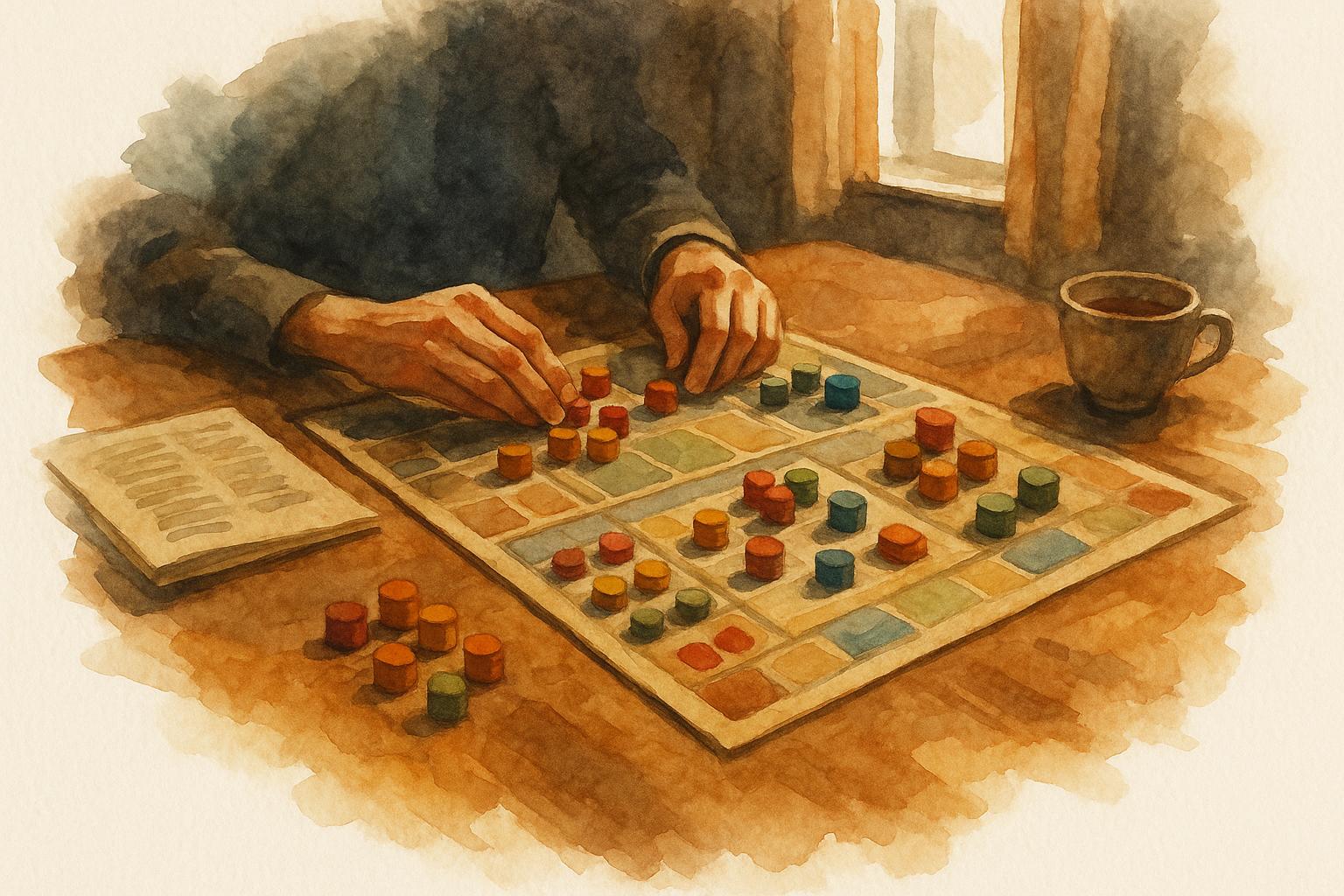
Upkeep phases in tabletop games are the moments when players handle tasks like managing resources, paying costs, or maintaining their game state. These phases aren’t just routine - they’re a core way to keep the game balanced, engaging, and strategic. They slow down rapid expansion, force tough decisions, and create a rhythm that rewards planning.
Here’s why upkeep phases are so important:
- Balance: They prevent unchecked growth by requiring players to manage their resources carefully.
- Decision-Making: Players must weigh expansion against maintenance, creating tension and strategy.
- Game Flow: They break up action phases, adding structure and pacing to the game.
- Integration: When tied to the game’s theme and systems, they enhance immersion and player engagement.
The challenge? Poorly designed upkeep phases can feel like boring bookkeeping or overly complex chores. The best systems streamline steps, offer meaningful choices, and evolve in complexity as the game progresses. When done right, upkeep phases aren’t just maintenance - they’re moments that shape the entire gaming experience.
The Artemis Project - A Dicey Walkthrough!
Common Problems with Upkeep Phase Design
Creating engaging upkeep phases is no small feat, even for seasoned game designers. These phases are crucial to a game’s flow, but they often end up feeling more like a chore than a meaningful part of the experience. The most common challenges arise in three key areas, each of which directly affects how players interact with the game and perceive its overall design.
Preventing Boring and Repetitive Gameplay
One of the biggest pitfalls in upkeep design is when it feels like busywork rather than a chance for players to make strategic decisions. If an upkeep phase boils down to “spend X resources, then move on”, it quickly loses its appeal.
Repetition is a major culprit here. When players are forced to perform the same actions turn after turn with little variation or choice, the upkeep phase becomes a tedious routine. It’s like hitting a speed bump - it slows everything down without adding anything meaningful. Players might find themselves just going through the motions: counting resources, paying costs, and advancing to the next stage, all without feeling truly engaged.
Over time, what starts as manageable bookkeeping can spiral into a frustrating bottleneck, especially as a game expands. Players may begin to view upkeep as a roadblock to the “fun” parts of the game, rather than as an integral part of the overall strategy. This disconnect can sap momentum from even the most well-designed game.
Finding the Right Level of Difficulty
Balancing simplicity and complexity in upkeep design is a delicate act. Too simple, and experienced players may find it dull. Too complex, and newer players might feel overwhelmed before they can even enjoy the game.
This balance becomes even trickier depending on the audience. Games targeting casual players might oversimplify upkeep to the point where it feels pointless. On the other hand, games aimed at hardcore enthusiasts might overcomplicate the system, making it feel like a puzzle that overshadows the rest of the game.
Another challenge is managing the mental load upkeep phases place on players. In longer games, where fatigue naturally builds, overly detailed upkeep systems can sap energy and focus, pulling players away from the broader strategy.
The difficulty level of upkeep also needs to evolve as the game progresses. Early on, it should be simple enough for players to learn the mechanics. But as the game advances, the upkeep should introduce challenges that reward careful planning and strategic thinking. If this progression isn’t handled well, games can either fizzle out from lack of challenge or overwhelm players too early, leaving them unable to appreciate the deeper systems.
Making Upkeep Work with Other Game Systems
Another common issue is when upkeep phases feel disconnected from the rest of the game. This often happens when designers treat upkeep as an afterthought rather than as a core element tied to the game’s broader goals. When poorly integrated, upkeep can create awkward transitions that break immersion and disrupt the game’s rhythm.
For example, an upkeep phase that interrupts a climactic moment can feel jarring, forcing players to switch from strategic or tactical thinking to mundane administrative tasks. This sudden shift can throw off the game’s pacing and leave players feeling disengaged.
Resource systems often amplify these integration challenges. If upkeep costs don’t align with the game’s economy, they can feel either too predictable or completely irrelevant. A well-designed upkeep phase should create tough, meaningful decisions - not obvious choices that feel like a formality.
Thematic alignment is another critical factor. Upkeep phases should support the game’s narrative and immerse players in its world. If the mechanics feel like abstract math exercises rather than an organic part of the story, players may struggle to stay invested.
Finally, upkeep must connect meaningfully to the game’s victory conditions. If the upkeep system doesn’t influence a player’s path to victory, it risks feeling irrelevant. On the flip side, if it dominates the game’s win conditions, it can overshadow other strategic elements. Striking the right balance requires careful thought about how upkeep interacts with scoring and endgame mechanics. Up next, we’ll dive into strategies for integrating upkeep more seamlessly into game design to enhance its strategic value.
How to Design Better Upkeep Phases
Upkeep phases in games don’t have to feel like a chore. In fact, with the right design, they can become some of the most engaging and strategic moments players look forward to. The trick is to approach these phases as opportunities to deepen the gameplay rather than just a set of routine tasks. Here’s how you can design upkeep systems that players actually enjoy.
Simplifying Steps to Keep the Game Flowing
The best upkeep phases are efficient, achieving a lot with minimal steps. Every action players take should feel purposeful and impactful, not like they’re just going through the motions.
Start by combining related actions. For instance, instead of separating maintenance costs, supply checks, and morale adjustments into distinct steps, merge them into a single “empire management” phase. This streamlines the process while keeping the strategic depth intact.
You can also make things easier for players by using tools like player boards with built-in tracks, reference cards summarizing costs, or color-coded components. These visual aids reduce the time spent deciphering options, allowing players to focus on making meaningful decisions.
To add depth without complexity, consider cascading effects. For example, if a player chooses to maintain their military at full strength, that decision could automatically influence their economy, diplomacy, and research. This approach keeps the mechanics simple while creating rich layers of strategy.
Automation is another way to simplify upkeep. Use pre-calculated tables or straightforward formulas to handle the math, leaving players free to focus on strategic choices rather than calculations.
Once you’ve streamlined the process, the next step is to make those decisions count.
Creating Tough Choices with Real Consequences
A well-designed upkeep phase isn’t just about completing tasks - it’s about making players wrestle with meaningful trade-offs. The best systems turn routine decisions into moments of strategy and tension.
Scarcity is a great way to add weight to choices. When resources are limited, every decision matters. However, this scarcity needs to feel fair. Players should have enough information to plan and make informed choices about where to allocate their resources.
Timing pressure can also make upkeep more engaging. For example, certain options might only be available at specific points in the game, or delaying maintenance could lead to escalating problems. This forces players to balance immediate needs against long-term goals, adding natural tension without feeling punishing.
Another way to deepen the experience is by introducing delayed consequences. If a player chooses to defer infrastructure maintenance, the repercussions might not surface until several turns later. This builds suspense and encourages players to think ahead, tying upkeep decisions to their overall strategy.
Finally, opportunity costs make every choice feel significant. If maintaining one system means you can’t upgrade another, players are naturally drawn into the decision-making process, weighing the pros and cons of each option.
Gradually Increasing Complexity Over Time
Once you’ve streamlined the mechanics and built in meaningful choices, you can keep players engaged by gradually introducing more depth. The best upkeep systems start simple and become more intricate as the game progresses, ensuring players aren’t overwhelmed early on.
Early in the game, upkeep should focus on teaching the basics. For example, players might decide how to split resources between growth and stability, with clear and immediate outcomes. As the game advances, these systems can interact in more complex ways, creating layers of strategy that emerge naturally.
Unlockable options are a great way to add depth over time. As players achieve milestones, discover new technologies, or explore new areas, they can gain access to additional upkeep mechanics. These new options should feel like powerful tools that expand their strategic possibilities, not like extra busywork.
It’s also important to consider how complexity scales with player count and game length. A system that works well in a two-player, one-hour game might feel overwhelming in a longer session with more players. Design your complexity to match the pacing and energy of your game.
For flexibility, consider modular complexity. Optional rules or components can allow experienced players to add depth, while newcomers stick to the basics. This way, the game appeals to both casual and hardcore audiences without alienating either group.
sbb-itb-7b84150
How Good Upkeep Phases Improve Games
When upkeep phases are thoughtfully designed, they go beyond simple resource management to become dynamic mechanics that enhance the entire gaming experience. They add layers of strategy, emotional depth, and memorable challenges that keep players engaged. Let’s explore how well-crafted upkeep phases can elevate games.
Encouraging Strategic Thinking
Great upkeep phases push players to think beyond the immediate moment, shifting their focus from reacting to planning. This adds a layer of intellectual challenge that rewards careful foresight and penalizes impulsive decisions.
In these phases, players need to anticipate future needs, creating a natural tension as they weigh short-term opportunities against long-term stability. The best systems balance this carefully, offering enough information for educated guesses while still leaving room for uncertainty.
The ripple effects of decisions amplify this tension. For example, skipping upkeep today might lead to bigger problems later, forcing players to consider the long-term consequences of their actions. This cause-and-effect dynamic makes every choice feel impactful.
This approach also deepens player investment. When players see how their decisions shape future outcomes, they feel a sense of ownership over their strategies. Success brings pride, and failure becomes a learning experience, making the gameplay feel both rewarding and meaningful.
Raising the Stakes with Tough Decisions
Well-designed upkeep phases turn routine tasks into critical moments that can shape the entire game. These moments are all about trade-offs - players often have more ambitions than resources, forcing them to make tough calls.
These decisions often come down to prioritization. Should you bolster your defenses or invest in long-term growth? Both options are important, and the best systems ensure there’s no obvious “right” answer. This keeps the gameplay engaging, as every choice carries weight.
What sets great upkeep systems apart is the emotional pressure they create. Players should feel the gravity of their decisions, knowing that a misstep could cost them dearly. At the same time, the system should feel fair - players should always believe that smart choices will be rewarded.
Opportunity cost plays a key role here. Choosing one strategy often means giving up another, and when players fully understand what they’re sacrificing, their decisions feel even more significant. These moments of tension not only increase the stakes but also enhance the game’s overall immersion.
Tying Mechanics to Theme and Story
The best upkeep phases don’t just work mechanically - they also reinforce the game’s theme and narrative. When these systems feel like a natural part of the game world, they create a deeper sense of immersion and connection.
For example, in a game about managing a space colony, upkeep might involve maintaining life support systems. These aren’t just abstract resource puzzles - they reflect the real challenges colonists would face, pulling players deeper into the game’s world.
The tone of the upkeep phase can also mirror the game’s atmosphere. In a horror game, upkeep might feel tense and desperate, while in a kingdom-building game, it might feel rewarding and constructive. The mechanics should evoke the emotions the game is designed to inspire.
Upkeep phases can also have narrative consequences that extend beyond numbers and stats. Neglecting infrastructure might lead to unrest among citizens, or failing to maintain equipment could result in catastrophic failures. These outcomes make players feel the weight of their choices within the story.
How Upkeep Phases Build Social Connections
At first glance, upkeep phases in tabletop games might seem like quiet moments focused on managing resources. But in reality, these phases often spark some of the most engaging and interactive experiences in gaming. They naturally draw players into conversations and create opportunities for connection, making these moments vital to the social magic of board games. Instead of isolating players in their own strategies, well-designed upkeep systems encourage communication, negotiation, and shared moments of excitement.
These phases transform routine maintenance into chances for group interaction. They create natural pauses where players step back from their individual boards and assess the bigger picture. These breaks often reveal vulnerabilities, strengths, and opportunities, sparking lively discussions and shifting the focus from solitary play to shared experiences.
Encouraging Conversations and Alliances
Upkeep phases don’t just maintain the game’s mechanics - they actively encourage players to talk, negotiate, and even form alliances. These moments often highlight what each player needs or lacks, opening the door for trades, deals, or temporary partnerships. For example, if someone is running low on resources, another player might offer a trade that benefits both sides. These interactions turn upkeep into a platform for collaboration and strategic negotiation.
Since upkeep phases occur regularly, they create a rhythm that keeps conversation flowing. Players can make deals, set up future trades, or promise actions in upcoming turns, knowing another upkeep phase is just around the corner. This ongoing cycle of interaction keeps the social dynamics alive and evolving throughout the game.
Resource limitations also make teamwork more appealing. When players realize they can’t handle everything on their own, they become more willing to cooperate. For instance, one player might have extra food while another has surplus materials - upkeep phases make these imbalances clear, encouraging mutual exchanges. These shared challenges often lead to collaborative problem-solving, even in games where competition is the main focus.
Shared Tension and Unforgettable Moments
Upkeep phases don’t just foster communication - they also create shared moments of tension and excitement. These phases bring players together as everyone faces the same challenges at the same time. The synchronized nature of these moments builds collective suspense, as players work through their decisions and dilemmas simultaneously.
Some of the most memorable gaming moments happen during upkeep. A player dominating the game might suddenly hit a resource crisis, while someone lagging behind might seize an unexpected opportunity. These dramatic shifts, witnessed by the entire table, become stories players recount long after the game ends.
The predictable timing of upkeep phases also adds to the excitement. When players see potential problems looming a few turns ahead, the whole table becomes invested in whether those issues will be resolved. This anticipation creates a natural narrative arc, keeping everyone engaged - even when it’s not their turn.
In games where upkeep happens simultaneously for all players, the tension can be especially intense. These shared experiences strengthen group dynamics and deepen the bonds that keep gaming groups coming back for more.
Lessons from MINIFINITI’s Game Design
MINIFINITI’s game Red Tape demonstrates how upkeep phases can be both strategic and socially engaging. The game uses a humorous bureaucratic theme to turn these moments into opportunities for interaction and connection.
In Red Tape, players face absurd challenges during upkeep, which naturally leads to laughter and shared frustration. The humor softens the tension, making these phases not just tolerable but genuinely fun. This blend of strategy and comedy encourages players to share their experiences, turning what could be a mechanical chore into a highlight of the game.
MINIFINITI’s approach shows how upkeep phases can be tailored to fit a game’s social goals. Instead of feeling like interruptions, these moments become essential to the game’s ability to bring people together, reinforcing the communal spirit that makes tabletop gaming so special.
Conclusion: The Role of Upkeep Phases in Better Games
Upkeep phases aren’t just about managing resources - they’re a cornerstone of strategic depth and player interaction. When thoughtfully designed, these moments turn routine tasks into meaningful decisions that elevate the entire gaming experience.
The key to effective upkeep design lies in striking the right balance between simplicity and complexity. It should avoid feeling like pointless busywork, instead ensuring every choice matters. This balance keeps players engaged without overwhelming them.
A well-designed upkeep phase weaves together resource management, strategy, and player interaction into a cohesive experience. It doesn’t just serve the mechanics; it enriches the overall flow of the game.
Socially, upkeep phases shine as moments where players negotiate, strategize, and connect. They create a rhythm in gameplay, offering regular opportunities for interaction while building anticipation and tension. These shared challenges often lead to memorable moments that stick with players long after the game ends.
Beyond mechanics, upkeep phases can also reflect a game’s theme. Whether they reinforce the narrative, introduce escalating challenges, or offer a breather between intense decisions, upkeep can be tailored to fit the needs of the game’s design. For example, MINIFINITI’s Red Tape uses humor to turn upkeep into an entertaining, multi-layered aspect of gameplay.
The best upkeep phases grow alongside the players. They provide an easy entry point for beginners while revealing deeper strategic opportunities for seasoned players. This adaptability ensures the game stays engaging across repeated plays and varying skill levels, keeping players coming back to uncover new strategies and experiences.
FAQs
How can game designers make upkeep phases more engaging and less tedious?
Game designers looking to make upkeep phases more engaging should aim to include decisions that matter and strategic options. For example, giving players the opportunity to trigger special effects or manage resources that have a direct impact on the game can make this phase feel more dynamic and rewarding.
Keeping the phase short - ideally no longer than 3 to 4 minutes - can help maintain the game’s pace and keep players invested. Incorporating story-driven elements or weaving the upkeep phase into the game’s narrative can also boost immersion, making players feel more involved in the world of the game rather than distracted by routine mechanics.
How can game designers make upkeep phases accessible for beginners while still challenging experienced players?
Game designers can make upkeep phases approachable by easing players into the mechanics. For beginners, tools like clear tutorials, visual guides, or simplified choices can help them get the hang of things without feeling overwhelmed. On the other hand, experienced players often enjoy systems that grow in complexity, offering opportunities for strategic thinking and rewarding mastery over time.
Playtesting plays a key role here. Watching how players with different skill levels interact with the upkeep phase gives designers valuable insights. This helps fine-tune the mechanics so they stay intuitive for newcomers while still offering depth and satisfaction for seasoned players. The result? A gameplay experience that keeps everyone engaged, no matter their expertise.
How can upkeep phases enhance a game’s theme and storytelling?
Upkeep phases can strengthen a game’s theme and storytelling by weaving resource management tasks seamlessly into the narrative. Imagine a medieval-themed game where players handle castle repairs or ensure their armies are well-supplied - these tasks echo the struggles of loyalty and survival inherent to the setting. In a sci-fi game, upkeep might mean repairing spaceship systems or maintaining planetary colonies, adding a layer of urgency and pulling players deeper into the story.
When upkeep mechanics are tied closely to the game’s theme, they feel like a natural part of the experience. This not only enriches the atmosphere but also keeps players invested, as their choices directly shape and influence the game world.